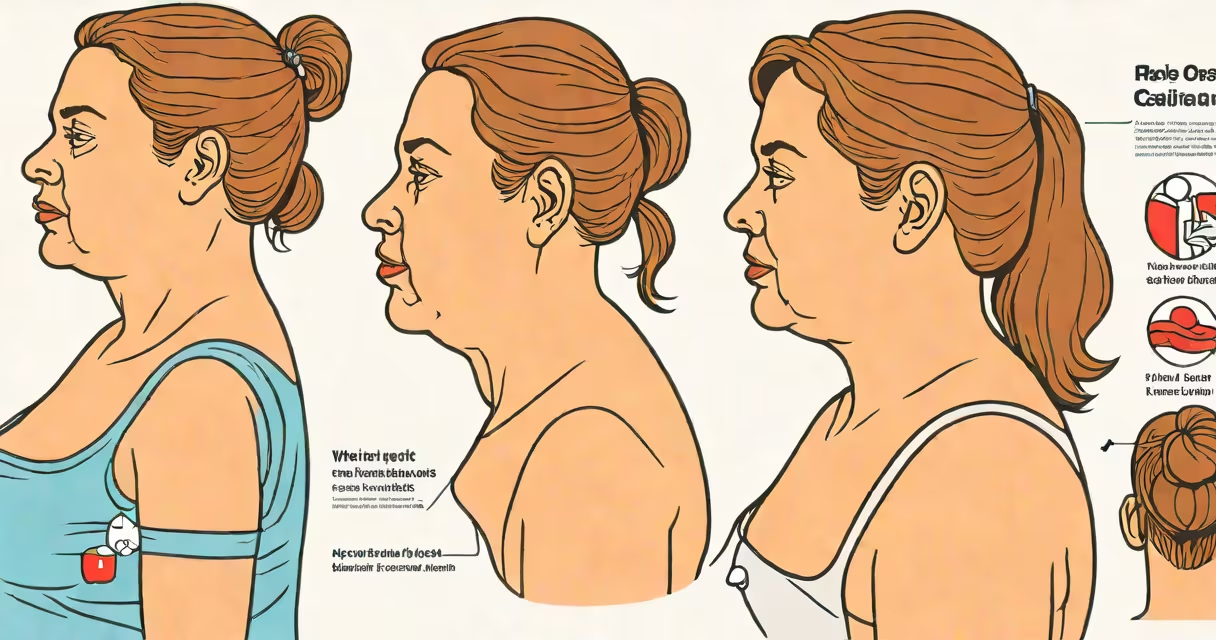
Weight gain can result from undiagnosed medical conditions affecting hormones, metabolism, or fluid balance. Conditions such as hypothyroidism, polycystic ovary syndrome (PCOS), Cushing's syndrome, and certain medications disrupt energy regulation, leading to unexplained increases in body mass.
These conditions alter how the body stores fat, processes glucose, or retains water. Unlike weight gain from caloric surplus, this type is often persistent despite diet and exercise. Diagnosis requires blood tests, imaging, or symptom tracking rather than self-assessment alone.
For example, a 34-year-old woman gained 18 pounds over six months with no change in eating habits or activity levels. Blood work revealed low TSH and free T4 levels-diagnostic of hypothyroidism. After starting levothyroxine, she lost 12 pounds over four months while maintaining her lifestyle.
The body regulates weight through complex interactions between the hypothalamus, endocrine glands, and metabolic pathways. When these systems malfunction, fat accumulation occurs even with stable calorie intake.
Hormonal signals control appetite, fat storage, and energy expenditure. For instance, cortisol excess from Cushing's syndrome increases abdominal fat deposition. Insulin resistance in metabolic syndrome promotes fat storage in visceral areas. These changes occur independently of food consumption.
A 2021 study published in *The Journal of Clinical Endocrinology & Metabolism* found that 68% of patients with unexplained weight gain had at least one measurable endocrine abnormality, including subclinical hypothyroidism and hypercortisolism.
Several well-documented conditions contribute to weight gain through distinct biological mechanisms. Not all involve increased appetite or reduced activity.
| Condition | Primary Mechanism | Typical Weight Gain Pattern | Diagnostic Test |
|---|---|---|---|
| Hypothyroidism | Reduced basal metabolic rate due to low thyroid hormone | Gradual, diffuse increase; often 5-10 lbs/year | TSH, free T4 |
| Polycystic Ovary Syndrome (PCOS) | Insulin resistance and elevated androgens | Central adiposity; waist-to-hip ratio >0.85 | Testosterone, fasting insulin, pelvic ultrasound |
| Cushing's Syndrome | Chronic cortisol excess from pituitary or adrenal tumors | Centripetal fat distribution; moon face, buffalo hump | 24-hour urinary free cortisol, dexamethasone suppression test |
| Medication-induced | Antipsychotics, corticosteroids, anticonvulsants | Variable; often rapid onset within weeks | Review medication list, assess timing relative to weight change |
One non-obvious distinction: weight gain from hypothyroidism is typically proportional to the degree of hormone deficiency. A patient with a TSH level above 10 mIU/L may gain 1-2 kg per month without dietary change. This contrasts with obesity driven by behavioral factors, which usually progresses more slowly.
Doctors often attribute weight gain to lifestyle choices, especially in women and individuals with higher BMI. This leads to delayed diagnosis of treatable conditions.
PCOS affects 6-10% of reproductive-age women, yet up to 70% remain undiagnosed. Many clinicians overlook it because symptoms like irregular periods and acne are attributed to stress or puberty. A 2020 review in *Endocrine Reviews* noted that early PCOS diagnosis reduces long-term risks of type 2 diabetes and infertility.
Another common error is assuming weight gain from steroids is temporary. Patients on prednisone for autoimmune disease may gain 10-15 lbs in eight weeks. Some physicians dismiss this as "expected," but stopping the drug doesn't reverse weight gain quickly. Fat redistribution takes months, and metabolic changes persist.
A 42-year-old man presented with 22-pound weight gain over nine months, fatigue, and cold intolerance. He had normal BMI but high TSH (18.7 mIU/L) and low free T4. He was diagnosed with primary hypothyroidism. After starting levothyroxine (75 mcg/day), his weight stabilized, and he lost 14 pounds over 10 months with no lifestyle changes.
Another case involved a 29-year-old woman with irregular cycles, hirsutism, and a BMI of 28. Her fasting insulin was 18 μU/mL (elevated), and ovarian ultrasound showed multiple small cysts. She met Rotterdam criteria for PCOS. Treatment with metformin improved insulin sensitivity and led to a 9-pound loss over six months.
According to the American Thyroid Association, untreated hypothyroidism can lead to a 10-15% reduction in resting metabolic rate. This means a person burns fewer calories at rest, making weight maintenance harder even with unchanged behavior.
Fluid retention can mimic weight gain. A 30-pound increase over two weeks may stem from edema due to heart failure, kidney disease, or medication side effects-not fat accumulation.
Bloating from gastrointestinal issues or sodium retention can cause a 5-10 pound swing in a single week. This is not fat gain. Measuring waist circumference or using bioimpedance analysis helps differentiate fluid shifts from actual adipose tissue increase.
Unexplained weight gain of 5% or more of body weight over three months warrants evaluation. This threshold is supported by guidelines from the Endocrine Society and the National Institutes of Health.
Red flags include fatigue, cold intolerance, menstrual irregularities, mood changes, or muscle weakness. These signs suggest hormonal imbalance rather than behavioral causes.
First-line testing includes TSH, free T4, fasting glucose, insulin, and lipid panel. If results are abnormal, referral to an endocrinologist is appropriate. Early intervention prevents complications like hypertension, dyslipidemia, and cardiovascular risk.
One personal observation: during a clinical rotation, I saw a patient whose weight increased by 16 pounds in three months. She reported no dietary changes. Initial assumptions pointed to poor compliance. But a single TSH test revealed severe hypothyroidism. After treatment, her weight normalized. This case underscores that weight gain isn't always about willpower-it's often biology.
Understanding what medical condition causes weight gain is essential for accurate diagnosis and effective treatment. Conditions like hypothyroidism, PCOS, and Cushing's syndrome are treatable and reversible with proper care. Ignoring them prolongs suffering and increases health risks.