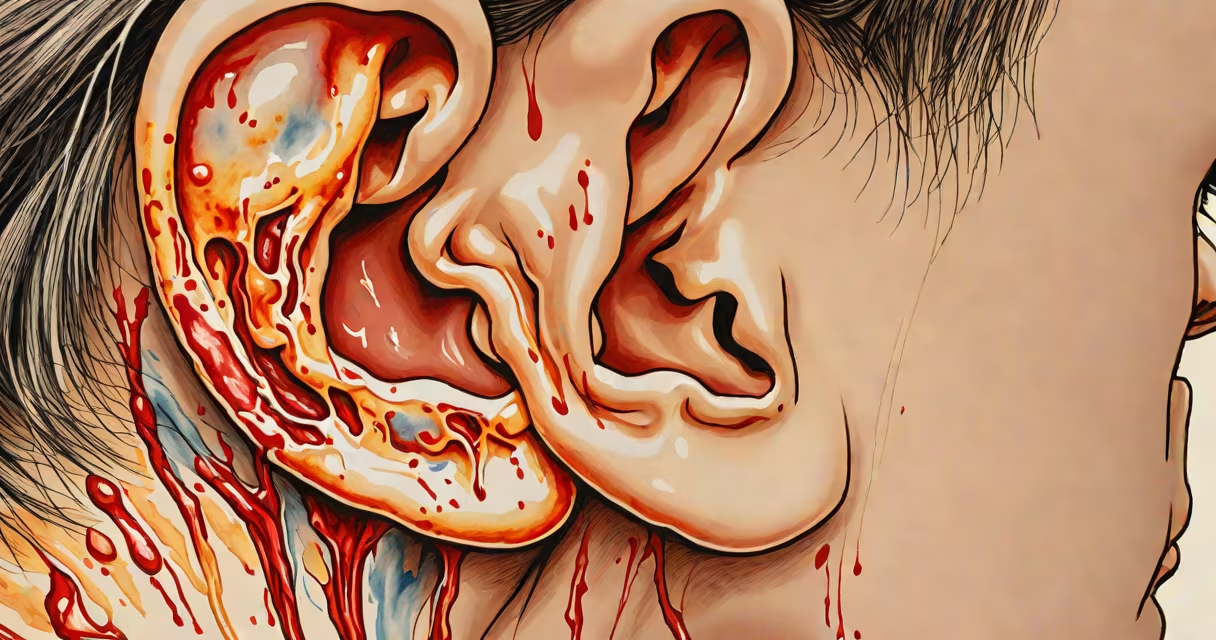
Ear infections arise when fluid accumulates behind the eardrum due to blocked or dysfunctional Eustachian tubes, creating an environment where bacteria or viruses can multiply. This condition, known medically as otitis media, typically develops after a cold, flu, or upper respiratory infection.
The Eustachian tube connects the middle ear to the back of the nose and throat. Its primary job is to equalize pressure and drain fluid. When it swells shut during a cold or allergy flare-up, fluid pools in the middle ear. That trapped fluid becomes a breeding ground for pathogens. The resulting inflammation causes pain, pressure, and sometimes fever.
According to the American Academy of Otolaryngology-Head and Neck Surgery (AAO-HNS), 75% of children experience at least one ear infection by age 3. Most cases originate from viral upper respiratory infections, which account for 70-80% of initial episodes. Bacterial infections follow in about 20-30% of cases, especially when symptoms persist beyond 48 hours or worsen.
When a child or adult catches a cold, the nasal passages and throat swell. This swelling spreads to the Eustachian tube, blocking its ability to drain fluid from the middle ear. Without drainage, fluid builds up. The immune system responds by sending white blood cells to fight invaders. Their activity causes swelling, pain, and pressure.
If bacteria enter the fluid-filled space, they can trigger a secondary infection. Common culprits include Streptococcus pneumoniae, Haemophilus influenzae, and Moraxella catarrhalis. These bacteria are frequently found in the nasopharynx and can migrate into the middle ear through the Eustachian tube when it's compromised.
A 2021 study published in *The Lancet Child & Adolescent Health* found that children with enlarged adenoids were 2.3 times more likely to develop recurrent ear infections. Adenoids sit near the Eustachian tube openings and can obstruct airflow and drainage when swollen, increasing infection risk.
Ear infections don't appear out of nowhere. They're almost always preceded by another illness or exposure. The most common triggers fall into two categories: viral and bacterial.
Environmental factors also play a role. Children in daycare settings have higher rates of ear infections due to frequent exposure to respiratory pathogens. Secondhand smoke increases risk by impairing Eustachian tube function and reducing mucus clearance.
One non-obvious factor: bottle feeding while lying flat. A 2019 study in *Pediatrics* showed infants fed in a supine position had a 40% higher incidence of ear infections compared to those fed upright. Gravity doesn't assist in draining fluid when the head is down, allowing milk or formula to reflux into the Eustachian tube.
| Type | Common Pathogen | Typical Duration | Response to Treatment |
|---|---|---|---|
| Acute otitis media (AOM) | Streptococcus pneumoniae, Haemophilus influenzae | Less than 3 weeks | Often resolves with antibiotics if bacterial |
| Recurrent AOM | Same bacteria, often resistant strains | More than 3 episodes in 6 months | May require longer antibiotic courses or tympanostomy tubes |
| Otitis media with effusion (OME) | No infection present; fluid remains after recovery | More than 3 months | Monitored; rarely treated unless hearing loss occurs |
Many people assume ear infections are caused by water entering the ear, such as during swimming. This is incorrect. Outer ear infections (otitis externa) result from water trapped in the ear canal, but they differ from middle ear infections. Water in the outer ear leads to swimmer's ear, which affects the skin of the ear canal, not the middle ear space.
Another misconception is that ear infections always require antibiotics. The American Academy of Pediatrics recommends watchful waiting for mild cases in children over 2 years old. Antibiotics are only prescribed if symptoms last more than 48 hours or worsen. Overuse contributes to antibiotic resistance, which the CDC identifies as a major public health threat.
I once observed a 4-year-old boy with a persistent earache. His parents brought him in after three days of fever and irritability. On exam, his eardrum was bulging and translucent. After confirming fluid behind the drum via pneumatic otoscopy, we diagnosed acute otitis media. He improved within 48 hours on amoxicillin. But the key insight: he'd had a cold two days prior-classic viral onset.
Prevention focuses on reducing upper respiratory exposures. Vaccines like PCV15 (for pneumococcus) and influenza shots lower infection rates. Avoiding bottle feeding while lying down and minimizing time in crowded childcare centers during peak cold season also reduce risk.
What do ear infections come from? They stem from blocked Eustachian tubes following viral or bacterial illness. Fluid buildup creates the ideal setting for infection. Recognizing early signs and understanding the difference between viral and bacterial origins prevents unnecessary antibiotic use and supports faster recovery.