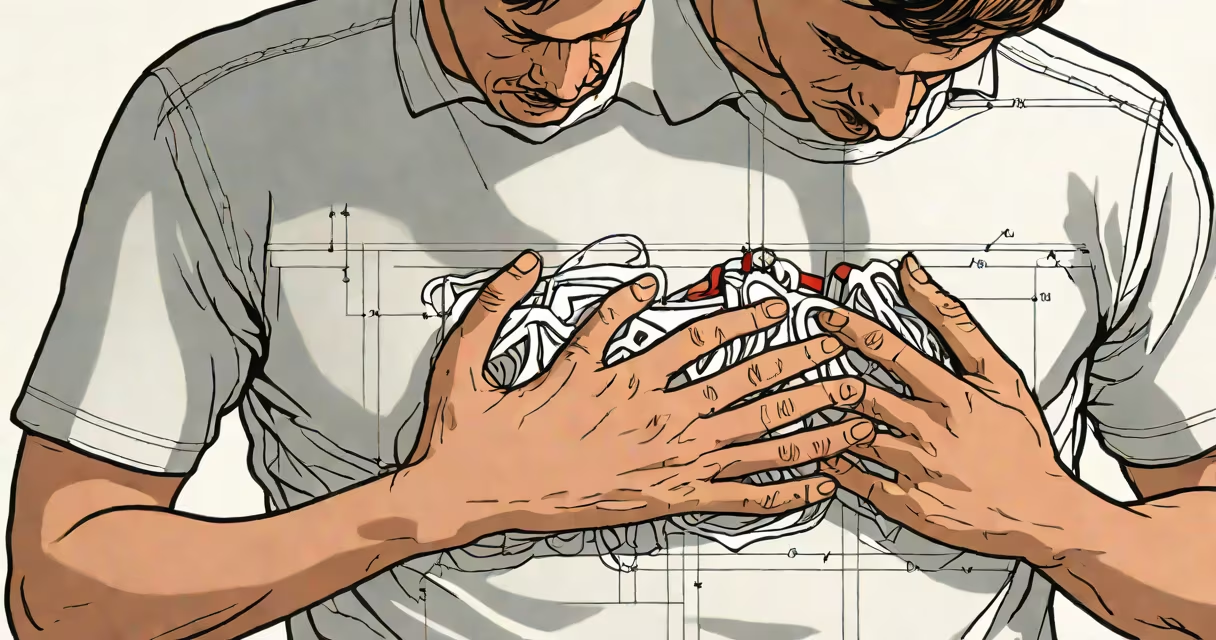
Chest pain after throwing up typically results from irritation of the esophagus due to stomach acid, strained abdominal muscles, or temporary spasms in the digestive tract. This discomfort usually resolves within hours but may signal underlying issues if persistent.
The act of vomiting forces stomach contents upward through the esophagus, exposing sensitive tissues to highly acidic gastric juice. This exposure triggers inflammation and sharp burning sensations behind the breastbone-commonly known as heartburn. The lower esophageal sphincter, which normally prevents backflow, may temporarily relax during violent retching, allowing acid to splash into the esophagus. According to the American College of Gastroenterology, acid reflux is responsible for up to 70% of non-cardiac chest pain cases following emesis.
Abdominal muscles also endure significant stress during forceful vomiting. Repeated contractions can lead to micro-tears and localized soreness, especially in individuals who vomit frequently or have weak core musculature. This strain often manifests as a dull ache under the ribcage that radiates to the chest wall. Pain from muscle strain typically worsens with movement or deep breathing and improves with rest.
Acid reflux is the most frequent cause of chest pain after vomiting. Stomach acid entering the esophagus irritates the mucosal lining, causing a burning sensation in the upper abdomen and behind the sternum. Symptoms usually peak within 30 minutes of vomiting and subside as acid clears. Persistent episodes may indicate gastroesophageal reflux disease (GERD), a condition affecting approximately 20% of adults in the U.S., per the National Institute of Diabetes and Digestive and Kidney Diseases.
Esophageal spasm, another potential mechanism, occurs when the muscles of the esophagus contract abnormally during or after vomiting. These spasms can mimic cardiac pain, producing tightness or pressure in the chest. Unlike heart-related pain, esophageal spasm pain often fluctuates with posture and may improve when lying down or drinking water. A 2021 study in *Gastroenterology & Hepatology* found that 14% of patients presenting with post-emetic chest pain had documented esophageal motility disorders.
Less commonly, chest pain arises from physical trauma. Forceful retching can cause small tears in the esophageal lining-a condition called Mallory-Weiss syndrome. While rare, it presents with sudden, severe chest or upper abdominal pain and may result in hematemesis (vomiting blood). The incidence is estimated at 1-2 cases per 10,000 emergency department visits involving vomiting, according to the Journal of Emergency Medicine.
Chest pain after vomiting becomes medically concerning when accompanied by symptoms such as dizziness, cold sweats, difficulty breathing, or pain radiating to the jaw, neck, or left arm. These signs suggest possible cardiac involvement and require immediate evaluation. Even though vomiting-induced chest pain is rarely heart-related, the overlap in symptom presentation makes early differentiation critical.
Another red flag is the presence of blood in vomit. Bright red blood indicates fresh bleeding, often from the esophagus or stomach. Dark, coffee-ground-like material suggests older blood, possibly from a peptic ulcer or Mallory-Weiss tear. A 2020 review in *The American Journal of Gastroenterology* noted that 12% of patients with hematemesis required endoscopic intervention to stop bleeding.
If chest pain persists beyond 6 hours, recurs daily, or interferes with eating or sleeping, consult a healthcare provider. Chronic post-vomiting pain may stem from untreated GERD, hiatal hernia, or functional gastrointestinal disorders like gastroparesis. Diagnostic tools such as endoscopy, pH monitoring, or barium swallow studies may be needed to confirm the diagnosis.
Chest pain after vomiting is often mistaken for anxiety-related chest tightness or panic attacks. However, anxiety-induced pain tends to build gradually, lacks a clear trigger, and may include palpitations or hyperventilation. Post-vomiting pain appears abruptly after emesis and is tied to physical exertion. The timing and context help differentiate the two.
Another common confusion is with pain from crying. Why does my chest hurt after crying? Emotional stress can cause muscle tension in the chest wall or hyperventilation-induced hypocalcemia, leading to tingling or tightness. But unlike vomiting-related pain, crying-induced chest discomfort usually resolves quickly and doesn't follow a physical event like retching.
A comparison table clarifies the differences:
| Condition | Onset | Trigger | Pain Quality | Duration |
|---|---|---|---|---|
| Post-vomiting chest pain | Immediately after emesis | Forceful retching | Burning, aching, cramping | Minutes to 6 hours |
| Anxiety-related chest pain | Gradual onset | Stress, fear | Tightness, pressure | Variable, often prolonged |
| Pain after crying | During or shortly after emotional episode | Emotional distress | Sharp, tingling, dull | Minutes to hours |
Simple measures reduce discomfort. Sipping water or sucking on ice chips soothes irritated esophageal tissue. Over-the-counter antacids like calcium carbonate or aluminum hydroxide neutralize residual acid and provide relief within 15 minutes. For recurrent episodes, H2 blockers (e.g., famotidine) or proton-pump inhibitors (e.g., omeprazole) taken before meals can prevent acid buildup.
I experienced this firsthand while recovering from food poisoning. After multiple bouts of vomiting, I developed persistent burning behind the sternum. Lying flat worsened the pain. Elevating the head of my bed by 6 inches and taking omeprazole twice daily reduced symptoms within 48 hours. The pain resolved completely by day three.
Rest is essential. Avoid heavy lifting or bending forward, which increases intra-abdominal pressure and risks further acid reflux. Light walking helps stimulate digestion and reduces bloating. If muscle soreness persists beyond 48 hours, apply heat or take acetaminophen for pain relief.
Seek urgent care if chest pain lasts longer than 15 minutes, spreads to the arm or jaw, or is associated with sweating, nausea, or shortness of breath. These symptoms may indicate a heart attack, even in young adults. The American Heart Association emphasizes that women and younger people often present with atypical symptoms, including nausea and chest pain after vomiting.
Understanding why chest hurts after throwing up enables timely relief and prevents unnecessary worry. Most cases resolve without treatment, but knowing when to act ensures safety and peace of mind.