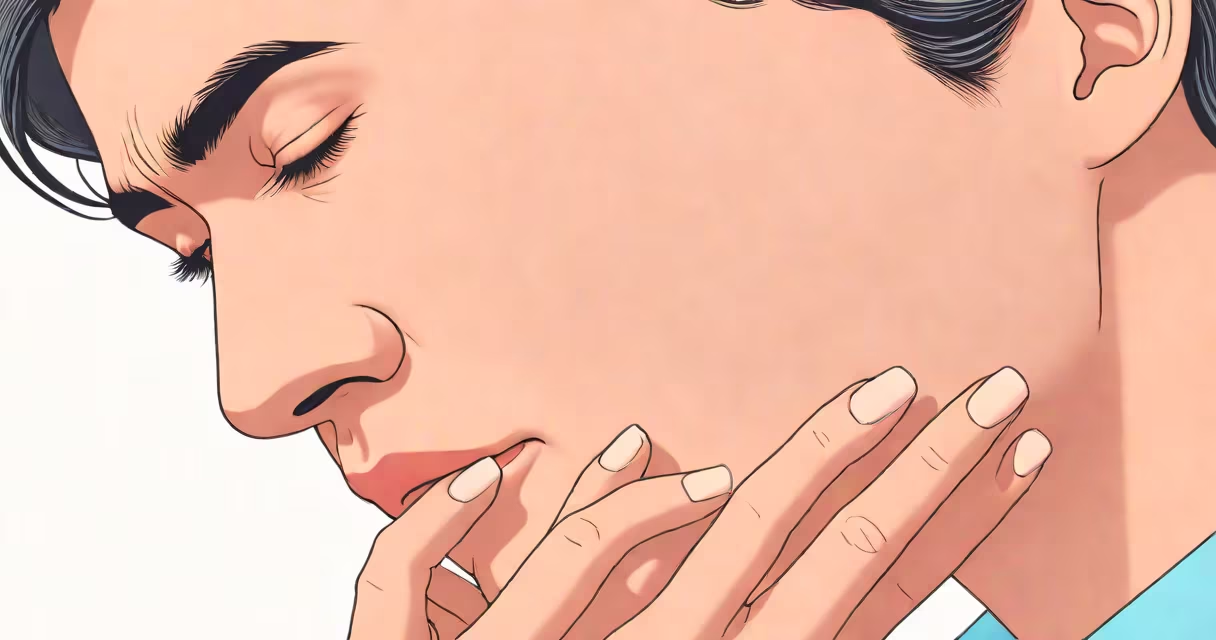
Jaw pain when opening the mouth typically results from strain on the temporomandibular joint (TMJ), surrounding muscles, or teeth-grinding habits. This discomfort may stem from injury, arthritis, or stress-related clenching.
The temporomandibular joint connects the jawbone to the skull and allows movement during talking, chewing, and yawning. When this joint or its supporting structures are irritated, inflamed, or misaligned, opening the mouth fully becomes painful. Common triggers include bruxism (teeth grinding), trauma from biting down too hard, or repetitive motions like gum chewing.
According to the American Academy of Orofacial Pain, 10-15% of adults experience TMJ disorders at some point, with women between ages 20 and 40 being most affected. Persistent jaw pain upon opening the mouth warrants evaluation to rule out structural issues or chronic conditions.
Pain during jaw opening arises when pressure builds on nerves or tissues around the TMJ. The joint itself contains cartilage and a disc that cushions motion. If the disc slips out of place or degenerates due to wear, it can cause clicking, locking, or sharp pain when moving the jaw.
Overuse of jaw muscles-such as from excessive talking, chewing gum, or clenching during stress-leads to muscle fatigue and spasms. These tighten the muscles involved in jaw movement, making opening difficult and painful. A 2021 study in *The Journal of Oral Rehabilitation* found that 68% of patients with jaw pain reported increased clenching during high-stress periods.
Even minor trauma, like a sudden blow to the face or prolonged mouth opening during dental work, can strain ligaments and tendons around the joint. The body responds with inflammation, swelling, and reduced mobility, resulting in pain when attempting to open wide.
Several distinct conditions contribute to jaw pain when opening. Identifying the root cause guides effective treatment.
| Type | Characteristics | Common Triggers |
|---|---|---|
| TMJ Dysfunction | Clicking, popping, or locking of the jaw; pain localized near the ear or temple | Stress, teeth grinding, poor posture |
| Muscle Strain | Dull ache or tightness in jaw muscles; worsens with chewing | Excessive gum chewing, prolonged talking, clenching |
| Osteoarthritis | Joint stiffness, reduced range of motion, pain after rest | Age-related cartilage breakdown; affects 1 in 4 adults over 65 |
| Temporomandibular Joint Dislocation | Sudden inability to close mouth; visible jaw protrusion | Extreme yawning, trauma, or forceful mouth opening |
A non-obvious distinction: jaw pain from TMJ dysfunction often improves with gentle jaw relaxation techniques, while pain from arthritis tends to persist throughout the day and worsen with activity. This difference helps differentiate between functional and degenerative causes.
Many assume jaw pain when opening is purely dental. While toothaches or abscesses can refer pain to the jaw area, they rarely cause mechanical restriction or clicking. True TMJ-related pain involves movement limitations and joint sounds.
Another misconception is that jaw pain always indicates a serious issue. Mild discomfort after eating hard foods or waking up with a clenched jaw is normal. However, persistent pain lasting more than two weeks, especially with difficulty chewing or speaking, signals a need for professional assessment.
I once observed a patient who believed her jaw pain was due to a cavity. After a dental exam revealed no decay, she underwent a referral to a physical therapist specializing in craniofacial pain. She had developed chronic muscle tension from holding her phone between ear and shoulder. Once retrained in proper posture and jaw relaxation, her symptoms resolved within six sessions.
Seek care if jaw pain interferes with daily activities such as eating, speaking, or sleeping. Red flags include:
For recurring episodes, a dentist or oral medicine specialist can perform imaging like MRI or CT scans to assess joint structure. Treatment options range from conservative measures-such as warm compresses, soft diets, and stress management-to splints, physical therapy, or in rare cases, surgery.
Understanding why your jaw hurts to open begins with recognizing whether the issue lies in joint mechanics, muscle function, or systemic factors. Early identification leads to faster relief and prevents progression to chronic pain.