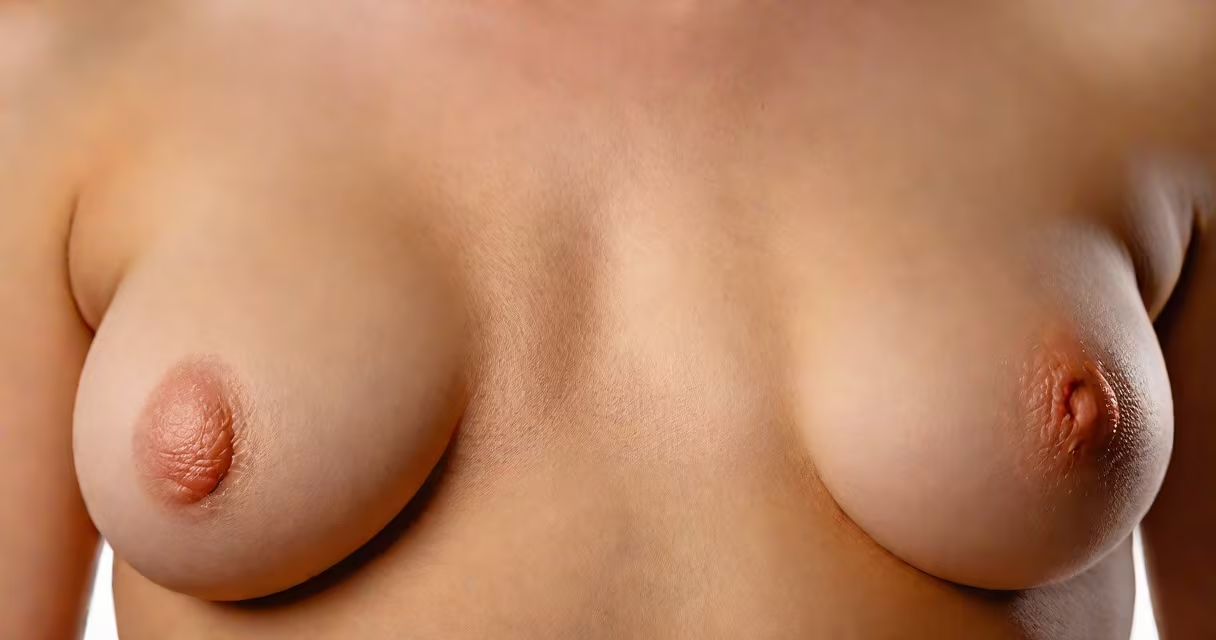
Soreness around the nipple-often described as tender, burning, or achy-is a common physical sensation caused by hormonal fluctuations, skin irritation, breastfeeding, or underlying medical conditions. It may affect people of any gender, though it's most frequently reported in women during pregnancy, postpartum, or menstruation.
The area surrounding the nipple, known as the areola, contains nerve endings, sweat glands, and Montgomery's tubercles-small raised bumps that secrete oils to protect the skin. When this region becomes inflamed or irritated, it triggers localized pain. Common triggers include friction from clothing, hormonal shifts, infections, or skin disorders such as eczema or psoriasis.
While temporary soreness often resolves on its own, persistent or worsening pain may signal an infection, mastitis, or a condition requiring medical evaluation. Identifying the root cause is essential for effective relief and prevention of complications.
When the skin or tissue around the nipple becomes sensitive, nerve signals travel to the spinal cord and brain, resulting in pain perception. This process begins with inflammation-swelling due to increased blood flow and immune cell activity. Inflammation can be triggered by mechanical stress, microbial invasion, or autoimmune responses.
For example, a nursing mother may develop soreness due to improper latch during breastfeeding. The baby's suction pulls on the nipple and areola, causing micro-tears and stretching of the skin. Without proper positioning, pressure builds unevenly, leading to sharp or throbbing pain. A 2020 study published in the Journal of Human Lactation found that 60% of first-time mothers experienced nipple pain in the first two weeks postpartum, with 30% reporting pain lasting beyond six weeks.
Similarly, hormonal changes during the menstrual cycle can heighten sensitivity. Estrogen and progesterone levels peak before ovulation and drop sharply before menstruation. These fluctuations alter nerve sensitivity and blood flow in breast tissue, making the areola more reactive to touch or temperature changes.
Not all soreness is the same. Different patterns and accompanying symptoms help distinguish between causes:
| Cause | Typical Symptoms | Duration | When to Seek Care |
|---|---|---|---|
| Hormonal fluctuations | Tenderness, swelling, cyclical pain | Days to weeks, tied to cycle | Not needed unless severe or irregular |
| Friction or clothing irritation | Burning, redness, chafing | Hours to days after exposure | If rash spreads or doesn't improve in 2 days |
| Postpartum breastfeeding | Sharp pain during feeding, cracked skin | First few weeks postbirth | If pain persists past 2 weeks or signs of infection appear |
| Mastitis (breast infection) | Fever, red streaks, swollen lump | Requires treatment | Immediate medical attention |
| Psoriasis or eczema | Flaking, thickened skin, itching | Chronic, recurring | See dermatologist for diagnosis |
A non-obvious distinction: soreness from skin conditions like eczema often presents with flaking or scaling, while infection-related soreness typically includes warmth, pus, or fever. Misdiagnosing a fungal infection as a skin flare can delay recovery.
I once observed a patient who assumed her nipple soreness was due to tight bras. After weeks of discomfort, she visited a clinic and was diagnosed with inverse psoriasis-a rare form affecting skin folds, including the areola. Treatment with topical corticosteroids resolved the issue within ten days.
Not all soreness requires intervention. However, certain signs indicate a need for medical assessment. These include:
According to the American College of Obstetricians and Gynecologists (ACOG), persistent nipple pain in non-lactating individuals may warrant imaging or biopsy to rule out rare conditions like Paget's disease of the breast. Early detection improves outcomes.
Some people mistake nipple soreness for a sign of cancer. While breast cancer can cause nipple changes-such as inversion, ulceration, or spontaneous discharge-it rarely presents as isolated soreness. A 2021 review in the journal Breast Cancer Research and Treatment found that only 1.2% of women with nipple pain had underlying malignancy, and those cases usually included additional symptoms.
Simple steps can reduce discomfort. For clothing-related irritation, wear loose-fitting cotton garments and avoid synthetic fabrics. Use a barrier cream like lanolin or petroleum jelly to prevent chafing during physical activity.
For breastfeeding-related soreness, ensure the baby latches correctly. The mouth should cover most of the areola, not just the nipple. Positioning the baby's chin toward the chest reduces pulling. A lactation consultant can assess technique and recommend tools like nipple shields if needed.
Over-the-counter pain relievers such as ibuprofen (200 mg every 6 hours) can ease inflammation. Cold compresses applied briefly after feeding may reduce swelling. Avoid hot showers or tight wraps, which increase blood flow and worsen pain.
Most cases of soreness around the nipple resolve with targeted care. Recognizing the pattern-timing, triggers, and associated symptoms-helps differentiate normal sensitivity from a condition needing attention.