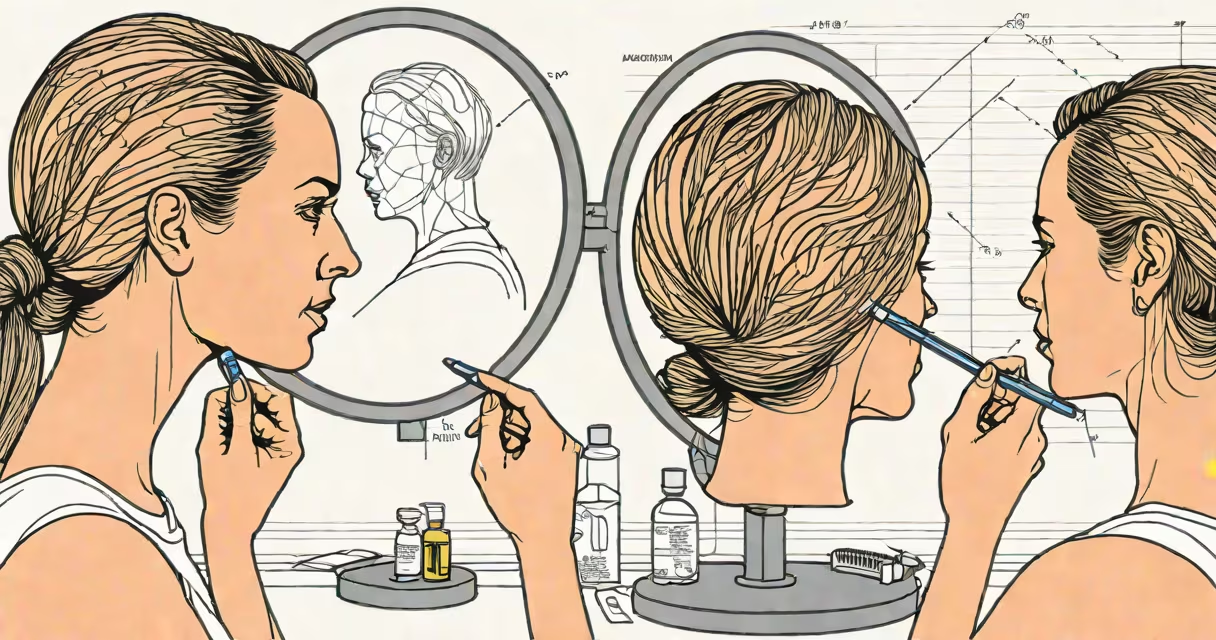
Hair coloring hair loss refers to temporary or permanent hair thinning or shedding triggered by chemical dyes, bleaches, or repeated treatments that damage the scalp and weaken hair follicles. This condition results from direct irritation, follicular inflammation, or structural breakdown of the hair shaft due to oxidative stress from ingredients like ammonia, hydrogen peroxide, and paraphenylenediamine (PPD).
Chemical hair color alters the melanin in hair strands through oxidation. While this process changes pigment, it also strips natural lipids from the cuticle layer and weakens keratin proteins. Over time, repeated exposure reduces tensile strength, increases breakage, and may lead to telogen effluvium-a condition where hair prematurely enters the resting phase and sheds.
According to the American Academy of Dermatology, up to 60% of women who dye their hair regularly report increased shedding within 3-6 months of treatment. The National Institutes of Health notes that chronic exposure to PPD, a common ingredient in permanent dyes, can cause allergic contact dermatitis, which further exacerbates follicular damage and contributes to patchy hair loss.
When hair is colored, especially with permanent or semi-permanent dyes, the chemicals penetrate the cuticle and alter the cortex-the inner structure responsible for strength and elasticity. Ammonia opens the cuticle to allow pigment entry, but this also allows moisture loss and makes hair brittle. Hydrogen peroxide oxidizes melanin but simultaneously damages the protein matrix, leading to microfractures along the shaft.
Repeated treatments increase cumulative damage. A single bleach session can reduce hair tensile strength by up to 30%. After three sessions, studies show a 50% reduction in resistance to mechanical stress. This weakening leads to breakage during brushing, styling, or even normal movement.
The scalp's natural barrier function degrades under repeated chemical exposure. Inflammation from irritants like PPD triggers immune responses that disrupt the hair growth cycle. This can push follicles into prolonged telogen (resting) phases, resulting in noticeable shedding-often seen as clumps in the shower drain or on combs.
Not all hair loss from coloring is the same. The most common forms include:
| Type | Trigger | Recovery Time | Key Indicator |
|---|---|---|---|
| Telogen Effluvium | Stress from chemical processing, hormonal shifts post-coloring | 3-6 months | Diffuse thinning, often noticed weeks after treatment |
| Breakage Alopecia | Physical damage from heat tools, combing wet dyed hair | 6-12 months with care | Short, frayed ends; uneven length |
| Allergic Contact Dermatitis | Sensitivity to PPD or resorcinol in dyes | Varies; resolves after avoiding trigger | Redness, itching, flaking at the hairline or scalp |
Breakage alopecia is often misdiagnosed as genetic hair loss. Unlike androgenetic alopecia, which progresses gradually and affects the temples and crown, breakage appears as sudden thinning in areas exposed to high tension-such as the nape or sides-where hair is frequently pulled or styled tightly.
A 2021 study published in the Journal of Investigative Dermatology found that individuals who colored their hair more than once every six weeks had a 2.3 times higher risk of developing moderate-to-severe telogen effluvium compared to those who colored less frequently.
Many assume that hair coloring directly causes baldness. That's incorrect. Permanent hair loss from coloring is rare unless there's an underlying condition like autoimmune alopecia areata or severe scarring from untreated dermatitis. Most cases involve temporary shedding or breakage-not irreversible follicle destruction.
Another misconception is that "natural" or "plant-based" dyes prevent damage. While they avoid ammonia and PPD, many still use hydrogen peroxide or metal salts (like lead acetate in some gray coverage formulas). These can still degrade keratin and cause oxidative stress. A 2020 review in *Dermatologic Therapy* found that 45% of "natural" dyes contained at least one known irritant.
Hair coloring does not cause androgenetic alopecia-the most common form of patterned hair loss. That condition stems from genetics and dihydrotestosterone (DHT) sensitivity. However, coloring can accelerate visible thinning in people already predisposed to it by increasing fragility and shedding.
In 2022, a 34-year-old woman reported losing 120 hairs daily over four weeks. She had dyed her hair black using a permanent kit twice monthly for two years. Her dermatologist diagnosed telogen effluvium linked to chemical stress. Blood tests ruled out thyroid issues, iron deficiency, and autoimmune markers.
After stopping all coloring and switching to a sulfate-free shampoo with panthenol and ceramide, she saw a 70% reduction in shedding within 90 days. Hair regrowth began at the frontal hairline and progressed toward the crown. By month six, her density returned to baseline levels.
This case illustrates that while coloring can trigger shedding, recovery is possible with consistent scalp care and reduced chemical exposure.
If you notice sudden thinning, widening part lines, or increased shedding lasting longer than three months, consult a dermatologist. Conditions like alopecia areata, hypothyroidism, or nutrient deficiencies can mimic coloring-related loss. Early diagnosis prevents unnecessary treatment delays.
For those with a history of allergies, patch testing before each application is essential. The American Academy of Allergy, Asthma & Immunology recommends testing dyes on a small area of skin behind the ear 48 hours prior to use. If redness, swelling, or blistering occurs, discontinue use.
If you're experiencing symptoms beyond shedding-such as scalp pain, flaking, or pus-filled bumps-seek medical evaluation. These signs may indicate infection or scarring alopecia, which require prescription treatment.
Prevention begins with limiting dye frequency, choosing low-ammonia or demi-permanent formulas, and using deep-conditioning treatments afterward. Always follow manufacturer instructions and avoid overlapping applications on previously colored hair.
Understanding the difference between temporary shedding and permanent damage is critical. Most hair coloring hair loss is reversible with proper care. But ignoring early warning signs risks long-term thinning and reduced treatment options.