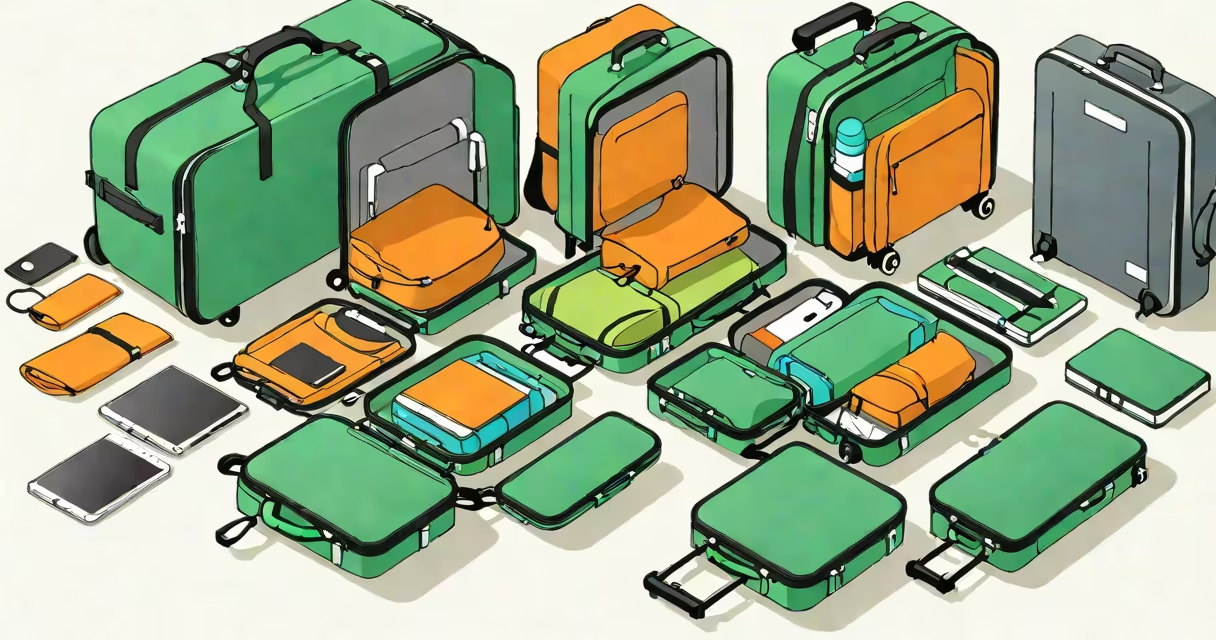
Aer Lingus permits one piece of hand luggage measuring 55 x 40 x 20 cm (21.7 x 15.7 x 7.9 inches) and one personal item such as a handbag or laptop bag. These dimensions must fit within the overhead bin or under the seat.
The airline defines hand luggage size aer lingus strictly to ensure space efficiency and safety during boarding and flight operations. Bags exceeding these limits may be refused at check-in or require a fee to be checked. This rule applies to all passengers, regardless of fare class or destination.
Passengers traveling with children under 12 may bring a collapsible stroller or car seat as a second item, but it must be stowed during takeoff and landing. All bags must comply with the specified size and weight standards to avoid delays or additional charges.
Aer Lingus enforces hand luggage size aer lingus using automated scanners and manual checks at boarding gates. Staff measure bags that appear oversized or fail to fit in the overhead bins. Even if a bag fits visually, it may still be rejected if it exceeds the maximum dimensions.
For example, a 56 cm long carry-on bag-just 1 cm over the limit-will not fit in the overhead compartment on most aircraft. The airline uses a standard test box measuring 55 x 40 x 20 cm to verify compliance. Any bag that doesn't pass through this box is deemed too large.
Carry-ons with wheels and handles must be fully closed and secured. Open zippers or extended handles can cause bags to exceed the allowed profile during measurement. Passengers should pack tightly and close all closures before arriving at the gate.
Accepted items include:
Items not permitted as hand luggage:
Some travelers mistakenly assume that a backpack counts as both a personal item and a carry-on. This is incorrect. A backpack cannot serve double duty. If a passenger brings a backpack and a separate carry-on, they risk being asked to check one bag.
Many travelers believe that hand luggage size aer lingus allows flexibility based on the aircraft model. This is false. Aer Lingus enforces the same size standard across all domestic and international flights, whether operating Airbus A321s or Boeing 737s.
Another misconception is that bags under 10 kg (22 lbs) are automatically accepted. While weight matters, dimension compliance is checked first. A 9 kg bag that measures 57 x 42 x 21 cm will be rejected despite its light weight.
A non-obvious fact: Aer Lingus does not accept rolling suitcases with external pockets or detachable wheels as part of the main measurement. Only the main body of the bag is measured. However, any protruding accessories that extend beyond the 55 x 40 x 20 cm envelope are counted toward the total size.
| Carrier | Max Carry-On Dimensions (cm) | Weight Limit | Personal Item Allowed? |
|---|---|---|---|
| Aer Lingus | 55 x 40 x 20 | 10 kg (22 lbs) | Yes |
| TAP Air Portugal | 55 x 40 x 20 | 10 kg (22 lbs) | Yes |
| British Airways | 56 x 45 x 25 | 10 kg (22 lbs) | Yes |
| EasyJet | 45 x 35 x 20 | 10 kg (22 lbs) | Yes |
While Aer Lingus and TAP Air Portugal share identical carry-on size limits, British Airways allows slightly larger bags. EasyJet enforces stricter limits, especially in width and depth.
Passengers flying with multiple airlines on a single itinerary must follow the strictest policy. For example, a traveler connecting from Aer Lingus to TAP Air Portugal must comply with both sets of rules. The smaller size limit applies to the entire process.
I flew from Dublin to Lisbon with a 55 x 40 x 20 cm carry-on and a laptop bag. My carry-on was a medium-sized hard-shell suitcase with a flat lid and retractable handle. I packed a 15-inch laptop, a change of clothes, toiletries, and a book.
At check-in, the agent scanned my bag and confirmed it met the hand luggage size aer lingus standard. I placed my laptop bag under the seat. During boarding, I verified that my carry-on fit in the overhead bin. No issues arose.
Had my bag been 56 cm long, I would have been required to pay for a checked bag. The fee for a domestic route is €25. On international flights, it increases to €50. I avoided this by measuring my bag at home using a tape measure and a cardboard template.
Always arrive early to allow time for inspection. Most gates begin checking bags 30 minutes before departure. Late arrivals risk being denied boarding due to space constraints.