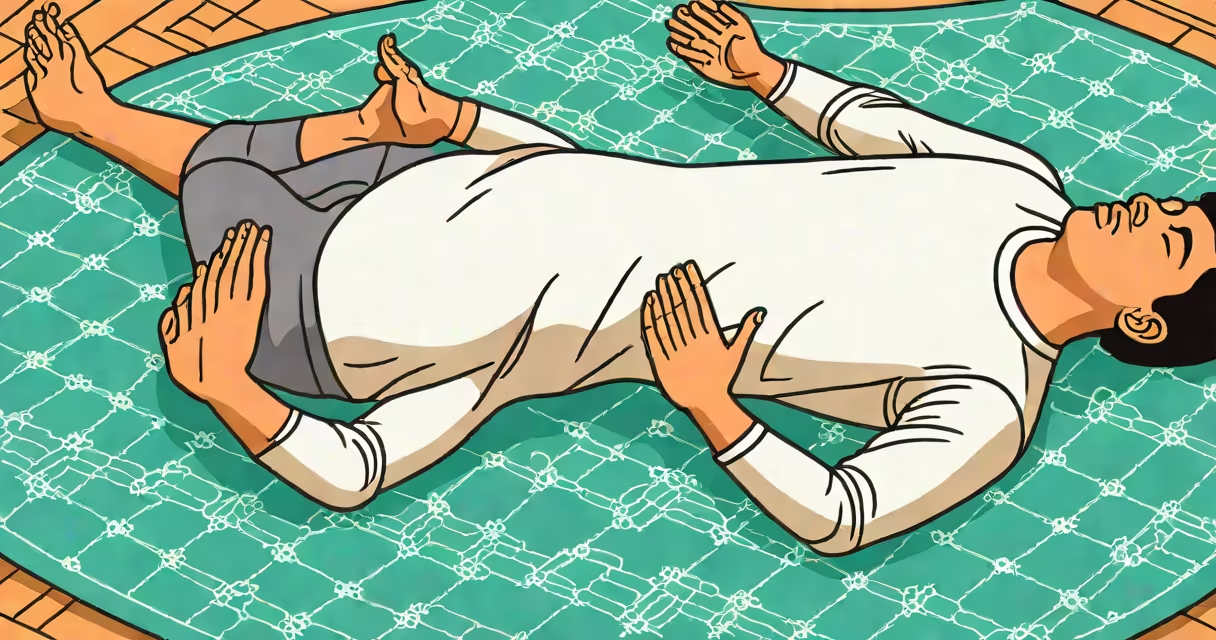
how to exercise your lungs involves targeted breathing practices that strengthen the diaphragm and intercostal muscles, increase lung capacity, and improve oxygen exchange efficiency. These methods are effective for people recovering from illness, managing chronic conditions, or enhancing respiratory performance.
Lung exercises work by increasing airflow volume and promoting better alveolar expansion. They activate the autonomic nervous system's parasympathetic response, reducing stress-related breathing patterns. Regular practice improves endurance during physical activity and supports recovery from respiratory infections.
The American Lung Association recommends daily breathing exercises for individuals with asthma, COPD, or post-surgical recovery. These routines are not high-intensity workouts but consistent, controlled movements that train the respiratory system over time.
When you inhale deeply, the diaphragm contracts and moves downward, creating negative pressure in the chest cavity. This draws air into the lungs. Exhalation relies on elastic recoil and muscle relaxation. Lung exercises reinforce this cycle through deliberate control.
Diaphragmatic breathing-also called belly breathing-shifts focus from shallow chest breathing to deeper abdominal movement. A 2021 study published in *Respiratory Care* found that participants who practiced diaphragmatic breathing for 10 minutes twice daily over four weeks showed a 22% improvement in forced important capacity (FVC), a key measure of lung function.
Another mechanism is inspiratory muscle training (IMT), which uses resistance devices to strengthen the muscles involved in inhalation. Devices like the PowerBreathe IMT trainer apply adjustable resistance during inhalation. Users report reduced breathlessness during daily tasks such as climbing stairs or carrying groceries.
Several structured approaches exist, each targeting different aspects of respiratory health. The following table outlines core techniques with their primary benefits and recommended frequency.
| Method | Primary Benefit | Frequency | Duration |
|---|---|---|---|
| Diaphragmatic breathing | Strengthens diaphragm, reduces hyperventilation | Twice daily | 5-10 minutes |
| Inspiratory muscle training (IMT) | Improves inspiratory strength, reduces fatigue | Once daily | 5 minutes |
| Pursed-lip breathing | Slows breathing rate, prevents air trapping | During exertion or anxiety | As needed |
| Buteyko breathing | Normalizes CO₂ levels, reduces bronchospasm | Once daily | 10 minutes |
Each method requires proper form. For diaphragmatic breathing, lie on your back with one hand on your chest and the other on your abdomen. Breathe in slowly through your nose, letting the lower hand rise. Exhale through pursed lips, feeling the lower hand fall. Repeat for five cycles.
IMT devices deliver resistance during inhalation. Start at the lowest setting and gradually increase intensity. A 2019 randomized trial in *European Respiratory Journal* showed patients with moderate COPD improved their maximum inspiratory pressure by 30% after eight weeks of daily IMT.
Patients with chronic obstructive pulmonary disease (COPD) often use lung exercises to reduce dyspnea during walking or dressing. A 2022 clinical review in *Chest* reported that 68% of COPD patients using daily breathing exercises experienced fewer hospitalizations over 12 months compared to controls.
Post-COVID rehabilitation programs include breathing drills to reverse lung stiffness and improve gas exchange. Many survivors report regained stamina after six weeks of consistent practice. One patient in a VA medical center program described regaining the ability to walk up two flights of stairs without stopping-something they couldn't do after discharge.
Even healthy adults benefit. Athletes use IMT to improve endurance. A 2020 study in *Journal of Sports Sciences* found that runners who trained with a resistance device for four weeks improved VO₂ max by 4.5% compared to a placebo group.
Many assume lung exercises require intense effort or equipment. That's incorrect. Diaphragmatic breathing can be done anywhere-while sitting at a desk or lying in bed. No special gear is needed.
Another myth: "You can't strengthen lungs like muscles." But research confirms respiratory muscles adapt to load. A 2017 study in *Journal of Applied Physiology* demonstrated that the diaphragm responds to resistance training similarly to skeletal muscles, showing increased fiber size and oxidative capacity.
Some confuse lung exercises with aerobic activities like running. While both improve cardiovascular health, they differ in mechanism. Running increases heart rate and blood flow; lung exercises directly train the mechanics of ventilation. You can perform both simultaneously, but they serve distinct purposes.
Martha, a retired teacher, was diagnosed with mild COPD after persistent coughing and shortness of breath. Her pulmonologist prescribed a routine: 10 minutes of diaphragmatic breathing twice daily and 5 minutes of IMT once daily using a PowerBreathe device.
After four weeks, Martha noticed she could walk to her mailbox without pausing. By week eight, she completed a 20-minute walk around her neighborhood. Her spirometry results improved from 72% predicted FVC to 81% at 12 weeks. She continues the regimen and reports better sleep and less anxiety.
She also avoided a planned hospitalization due to respiratory infection, which her doctor attributed to improved mucociliary clearance from regular breathing practice.
Not all breathing issues stem from weak lungs. Symptoms like sudden shortness of breath, chest pain, or coughing up blood require immediate evaluation. Fluid on lungs-known medically as pleural effusion-can mimic exercise-related fatigue but signals underlying heart or lung disease.
For those with stable conditions, start with simple diaphragmatic breathing. Progress to IMT only if advised by a respiratory therapist. Avoid pushing too hard-over-breathing can trigger dizziness or panic.
how to exercise your lungs is not about dramatic workouts or extreme breath-holding. It's about consistency, correct technique, and listening to your body. Daily practice strengthens the foundation of respiratory health, enhances quality of life, and supports long-term independence.
Simply aiming to breathe more efficiently, structured breathing routines offer measurable outcomes. Begin with 5 minutes of diaphragmatic breathing and build from there. Over time, you'll notice clearer thinking, less fatigue, and greater resilience.