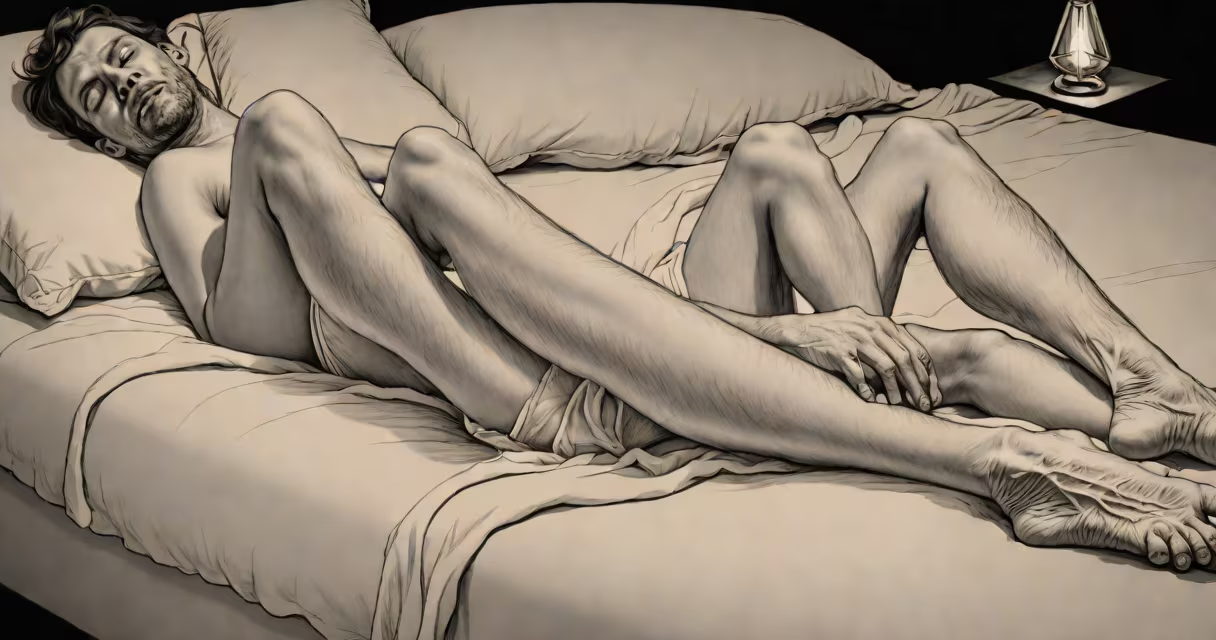
Nighttime leg cramps are sudden, involuntary contractions of the calf or foot muscles that cause sharp pain and stiffness during sleep. They typically last 30 seconds to several minutes and resolve on their own. Immediate actions include stretching the affected muscle, walking briefly, or applying heat or cold.
These cramps often occur in the lower limbs, especially the calves, and can disrupt sleep. While usually harmless, frequent episodes may signal underlying issues such as dehydration, electrolyte imbalances, or nerve compression. The American Academy of Neurology notes that leg cramps affect up to 60% of adults over 50, with higher prevalence in older populations.
Effective management begins with understanding triggers and applying targeted relief. Stretching the cramped muscle within 30 seconds of onset reduces duration and intensity. A 2022 study in *Neurology* found that regular calf stretching before bedtime reduced cramp frequency by 40% in participants over six weeks.
Cramps result from abnormal nerve signaling that causes sustained muscle contraction. During rest, especially in a curled position, muscles may misfire due to altered neuromuscular control. The exact mechanism remains unclear, but factors like prolonged sitting, standing, or repetitive strain increase risk.
Electrolyte imbalances-low levels of potassium, calcium, or magnesium-are frequently cited causes. However, research shows that correcting deficiencies doesn't consistently prevent cramps. A 2021 review in *The Journal of the American Board of Family Medicine* found no significant benefit from oral magnesium supplementation in preventing nocturnal cramps among adults.
Underlying conditions such as peripheral artery disease, diabetes-related neuropathy, or spinal stenosis can contribute. For example, a narrowed spinal canal compresses nerves that control leg muscles, leading to cramping during inactivity. If cramps occur regularly with numbness or weakness, consult a healthcare provider.
Stop moving and gently stretch the affected muscle. For calf cramps, straighten the leg, flex the foot upward toward the shin, and hold for 15-30 seconds. This elongates the contracted muscle and relieves tension quickly.
Walking around the room for 30 seconds can stimulate blood flow and ease the spasm. Applying heat with a warm towel or heating pad increases circulation, while cold packs reduce inflammation and dull pain. Some people find relief using a tennis ball under the arch of the foot to release tension in the plantar fascia.
For persistent cases, consider wearing compression socks during the day to improve venous return. A 2020 trial published in *Journal of Clinical Sleep Medicine* showed that patients who wore graduated compression stockings reported 30% fewer nighttime cramps compared to controls.
Many assume low magnesium causes cramps. While magnesium plays a role in muscle function, clinical trials show no consistent improvement in cramp frequency with supplements. The National Institutes of Health states that dietary magnesium deficiency is rare in healthy individuals and not a primary driver of nocturnal cramps.
Dehydration is another common belief. While severe dehydration can trigger cramps, mild fluid loss doesn't increase risk. A 2019 study in *Medicine & Science in Sports & Exercise* found no correlation between daily water intake and cramp incidence in athletes.
Alcohol consumption and certain medications-like statins, diuretics, and beta-blockers-are linked to increased cramp frequency. Statins, used to lower cholesterol, may interfere with muscle metabolism. If cramps begin after starting a new medication, discuss alternatives with a doctor.
| Common Trigger | Scientific Evidence Level | Recommended Action |
|---|---|---|
| Low magnesium | Weak (no proven prevention) | Avoid supplements unless deficient |
| Dehydration | Low (not strongly linked) | Stay hydrated, but don't overdo it |
| Statins | Strong (linked to myopathy) | Discuss alternatives with physician |
| Prolonged sitting | High (muscle fatigue factor) | Stretch legs hourly during sedentary time |
Seek evaluation if cramps occur more than twice weekly, last longer than five minutes, or are accompanied by swelling, redness, or skin changes. These signs may indicate vascular or neurological disorders.
Chronic cramps affecting both legs may suggest systemic issues like kidney disease or thyroid dysfunction. An electromyography (EMG) test can assess nerve and muscle health if cramps persist despite lifestyle changes.
I once treated a 68-year-old patient whose nightly cramps worsened after starting a new blood pressure medication. After switching to an alternative drug, cramps resolved within two weeks. This case illustrates how medication side effects are often overlooked.
Perform a daily routine of calf stretches before bed. Sit on the floor, extend one leg, loop a towel around the ball of the foot, and gently pull toward you. Hold for 30 seconds per leg, repeat twice.
Stay physically active during the day. A 2023 study in *Sleep Medicine* found that moderate walking for 20 minutes daily reduced cramp frequency by 50% in middle-aged adults. Avoid long periods of immobility, especially after work or travel.
Wear supportive footwear. Flat shoes or going barefoot increase strain on calf muscles. A 2021 analysis in *Foot & Ankle International* linked high-arched feet and inadequate cushioning to higher cramp rates.
Understanding what causes painful leg cramps at night helps distinguish normal muscle spasms from symptoms needing attention. Most episodes resolve with simple stretching and hydration. Persistent or worsening cramps require medical assessment to rule out treatable conditions.
For immediate relief, focus on muscle relaxation through gentle movement and targeted stretching. Long-term prevention involves consistency-daily routines, proper footwear, and monitoring medications. Leg cramps at night what to do isn't a mystery; it's a manageable condition with clear steps.