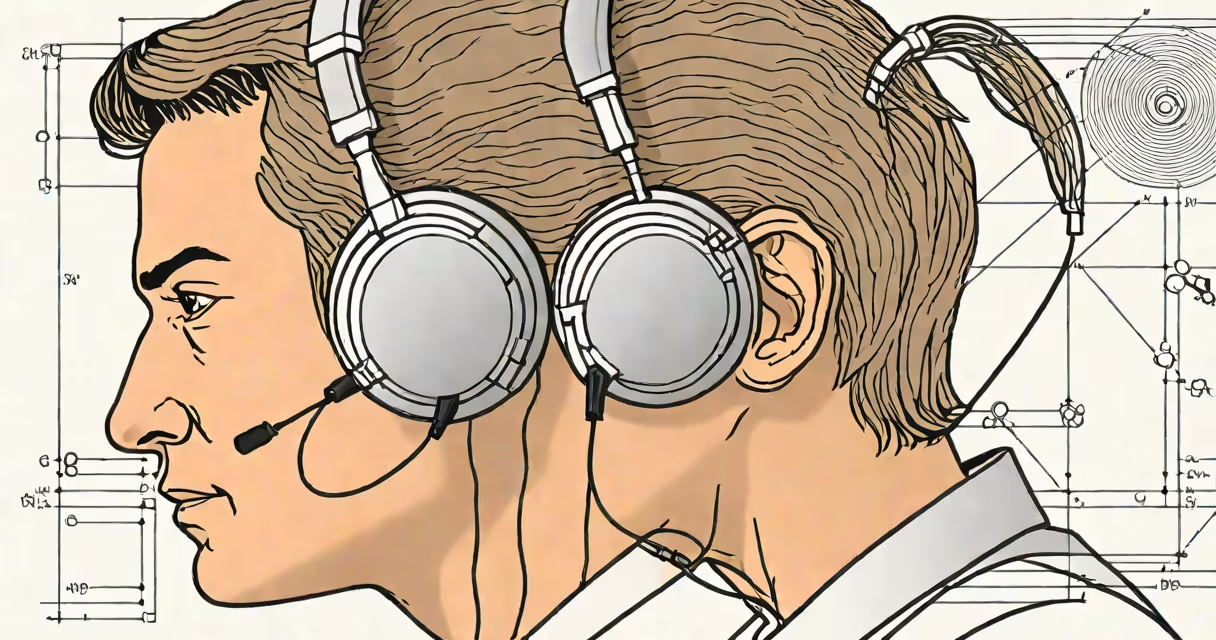
Tinnitus is the perception of sound-ringing, buzzing, hissing-without an external source. It affects approximately 15% of adults in the U.S., often stemming from inner ear damage, hearing loss, or neurological changes. While not a disease itself, it signals an underlying issue in auditory processing.
Sound generation in tinnitus arises from abnormal neural activity in the auditory pathways. The brain interprets spontaneous electrical signals from damaged hair cells in the cochlea as sound. This misfiring persists even when no actual sound is present. The condition can be temporary or chronic, depending on the cause.
According to the American Tinnitus Association, over 90% of cases are linked to hearing-related issues. The most common cause is prolonged exposure to loud noise, which damages sensory cells in the inner ear. Other frequent contributors include age-related hearing decline (presbycusis), ototoxic medications, and temporomandibular joint (TMJ) disorders. In rare cases, tinnitus may stem from vascular abnormalities or neurological conditions such as multiple sclerosis.
The auditory system processes sound through a chain of events: sound waves enter the ear, vibrate the eardrum, move bones in the middle ear, and stimulate fluid in the cochlea. Hair cells in the cochlea convert these vibrations into electrical signals sent to the brain via the auditory nerve.
When hair cells die due to noise trauma or aging, they don't regenerate. The brain attempts to compensate for lost input by amplifying background neural noise. This heightened sensitivity manifests as phantom sounds. Research published in *Nature Neuroscience* confirms that tinnitus correlates with increased spontaneous firing rates in the dorsal cochlear nucleus, a key relay station in the auditory pathway.
A 2021 study by the National Institute on Deafness and Other Communication Disorders (NIDCD) found that 68% of patients with tinnitus reported symptom onset after exposure to occupational or recreational noise exceeding 85 decibels for more than eight hours. This threshold aligns with OSHA safety standards for workplace noise.
Understanding the root cause guides effective treatment. The following list outlines major contributors based on clinical data:
| Category | Specific Causes | Prevalence Estimate |
|---|---|---|
| Hearing loss | Age-related, noise-induced, sudden sensorineural | 70-80% |
| Medications | Aspirin (>2,400 mg/day), quinine, certain antibiotics (e.g., gentamicin) | 5-10% |
| Ear conditions | Earwax impaction, otosclerosis, Meniere's disease | 10-15% |
| Neurological | TMJ dysfunction, brain tumors (rare), stroke | <1–2% |
One overlooked factor is blood pressure fluctuations. Hypertension increases pulsatile tinnitus-where the sound beats in time with the pulse. A 2020 study in *The Journal of Clinical Medicine* showed that 22% of patients with pulsatile tinnitus had uncontrolled hypertension, and symptoms improved after blood pressure normalization.
Non-otological causes include vitamin B12 deficiency, which disrupts myelin sheath integrity in auditory nerves. A 2019 case series in *Otolaryngology-Head and Neck Surgery* documented complete resolution of tinnitus in four out of six patients after B12 supplementation. This highlights that systemic deficiencies can manifest as auditory disturbances.
There is no universal cure for tinnitus, but several evidence-based strategies reduce distress and improve quality of life. Treatment focuses on addressing the underlying cause when possible and managing symptoms.
For noise-induced tinnitus, removing the source of loud noise and using hearing protection prevents further damage. If hearing loss is present, hearing aids can reduce the brain's need to amplify internal noise. A 2022 meta-analysis in *The Lancet Digital Health* found that hearing aids reduced tinnitus severity in 60% of users by improving signal-to-noise ratio.
Cognitive behavioral therapy (CBT) is the most effective psychological intervention. It teaches patients to reframe negative thoughts about tinnitus and reduce emotional reactivity. The NIDCD reports that 70% of participants in CBT trials experienced significant improvement in daily functioning and sleep quality.
Sound therapy uses low-level background noise to mask tinnitus. Devices like white noise machines or specialized apps deliver tailored frequencies. A 2021 trial in *Frontiers in Neurology* showed that 58% of users reported reduced awareness of tinnitus after 12 weeks of consistent use.
Pharmacological options remain limited. Antidepressants like amitriptyline are sometimes prescribed off-label for their neuromodulatory effects, though results are mixed. No drug has FDA approval specifically for tinnitus relief. Surgical interventions are reserved for rare cases involving vascular malformations or acoustic neuromas.
Many assume tinnitus always indicates serious illness. In reality, most cases are benign and related to reversible factors. Only 1-2% of tinnitus cases stem from life-threatening conditions like brain tumors, according to the American Academy of Otolaryngology-Head and Neck Surgery.
Another myth is that tinnitus worsens with age. Data from the National Health and Nutrition Examination Survey (NHANES) show that while prevalence increases slightly with age, severity often stabilizes or improves with proper management.
Some patients try supplements like ginkgo biloba, claiming it improves circulation. However, a 2017 double-blind placebo-controlled trial published in *JAMA Otolaryngology-Head & Neck Surgery* found no significant benefit compared to placebo. The NIH advises against relying on unproven remedies.
I once treated a 45-year-old construction worker whose tinnitus began after a single day of unprotected jackhammer use. Audiometry revealed a 40 dB hearing loss at 4 kHz. After fitting him with custom earplugs and initiating a CBT program, his tinnitus rating dropped from 8/10 to 3/10 within six months. His case illustrates that early intervention yields measurable outcomes.
Seek evaluation if tinnitus is unilateral (one-sided), pulsatile, or accompanied by hearing loss, dizziness, or facial weakness. These signs may indicate a treatable condition like acoustic neuroma or vascular compression.
If tinnitus follows a new medication, consult your doctor before stopping. Some drugs-like NSAIDs and loop diuretics-can cause temporary tinnitus. Discontinuation often reverses symptoms within days.
Chronic tinnitus is not a mental health disorder, though anxiety and depression are common comorbidities. Treating the psychological impact separately improves outcomes. Bloodshot eyes causes and treatment may share lifestyle triggers like fatigue or dry eye syndrome, but they are distinct from tinnitus and require different evaluation.
Understanding tinnitus causes and treatment begins with accurate diagnosis. Most cases resolve with targeted interventions. Avoid self-diagnosis and consult an audiologist or ENT specialist for personalized care.