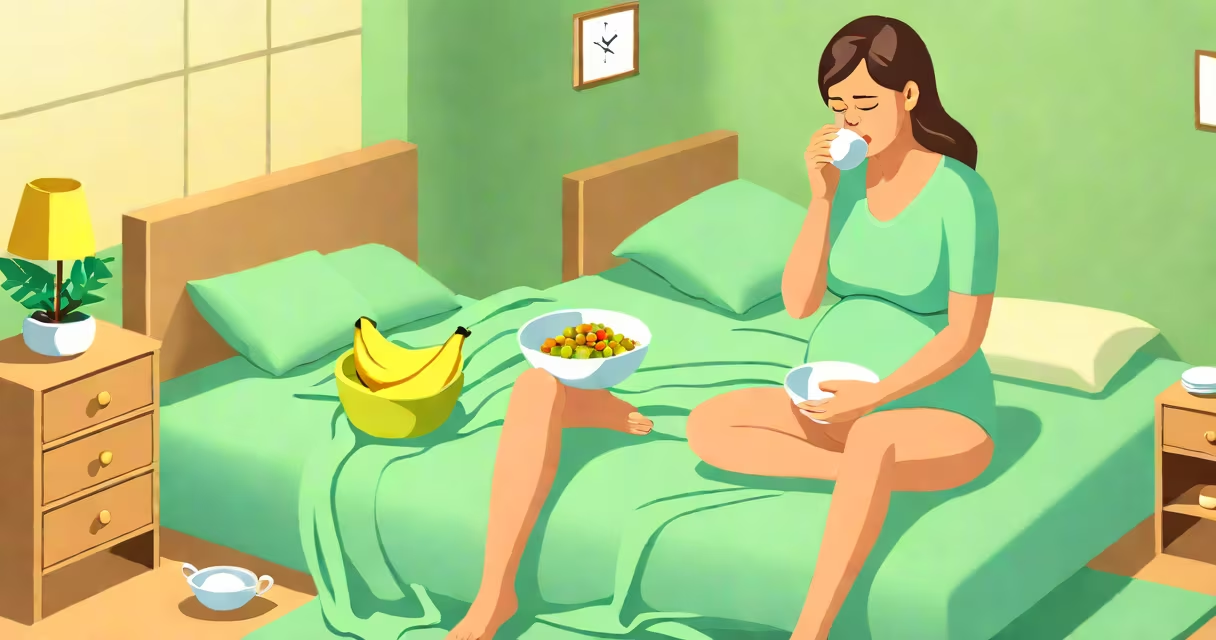
Vomiting at 14 weeks pregnant is a common symptom caused by rising hormone levels, particularly human chorionic gonadotropin (hCG) and estrogen. While many women expect nausea to subside by week 14, persistent vomiting may continue due to individual hormonal variation or underlying gastrointestinal changes.
By 14 weeks, most pregnancies have passed the peak of first-trimester nausea. However, research from the American College of Obstetricians and Gynecologists (ACOG) shows that up to 30% of pregnant people still experience nausea beyond 12 weeks, with vomiting occurring in 10-15% of cases. This suggests that vomiting at 14 weeks is not unusual, though it may prompt concern if it interferes with daily life or nutrition.
The condition is typically part of normal pregnancy physiology, not a sign of fetal distress. Hormonal shifts slow gastric emptying, increase acid production, and heighten sensitivity to smells-all contributing to nausea and vomiting. For some, the sensation worsens in the morning due to low blood sugar and reduced stomach volume upon waking.
Hormone fluctuations do not follow a strict timeline. hCG peaks around 10 weeks, but estrogen and progesterone remain elevated through the second trimester. These hormones relax the lower esophageal sphincter, allowing acid reflux and increasing the risk of vomiting, especially after meals.
A 2021 study published in *Obstetrics & Gynecology* found that women with higher baseline hCG levels were more likely to report nausea beyond 14 weeks. Those with a history of motion sickness or migraines also had a greater likelihood of prolonged symptoms. This indicates that individual biology plays a significant role.
Some women develop a form of chronic nausea called persistent nausea and vomiting in pregnancy (NVP), which affects about 1 in 20 individuals. Unlike typical NVP, this condition persists into the second trimester and may require medical intervention.
While mild vomiting is expected, certain signs indicate a need for medical evaluation. Vomiting more than three times per day, inability to keep down fluids, weight loss exceeding 5% of pre-pregnancy weight, or signs of dehydration (dark urine, dizziness) suggest hyperemesis gravidarum-a serious condition requiring treatment.
Hyperemesis gravidarum affects approximately 0.3-2% of pregnancies. It is not simply "bad morning sickness." Left untreated, it can lead to electrolyte imbalances, kidney strain, and hospitalization. ACOG recommends intravenous hydration and antiemetic therapy for confirmed cases.
One patient reported vomiting 12 times a day at 14 weeks, losing 10 pounds in two weeks. She required IV fluids and ondansetron. Her symptoms resolved after six days of treatment. This case illustrates that while vomiting at 14 weeks is not rare, severity matters.
Many confuse persistent vomiting with hyperemesis gravidarum. The key difference lies in impact: normal nausea doesn't disrupt eating, drinking, or daily function. Hyperemesis does.
| Symptom | Normal Nausea | Hyperemesis Gravidarum |
|---|---|---|
| Frequency of vomiting | Once or twice daily, often in mornings | More than three times daily |
| Weight change | No loss or minimal fluctuation | Loss of 5% or more body weight |
| Hydration status | Can drink fluids | Unable to keep liquids down |
| Treatment needed | Rest, diet, ginger | IV fluids, medication, hospitalization |
Another common confusion is mistaking vomiting for food poisoning or gallbladder issues. But in pregnancy, symptoms align with hormonal patterns-not sudden onset after eating. If vomiting occurs after specific foods or is accompanied by fever, diarrhea, or abdominal pain, infection or other gastrointestinal issues should be ruled out.
Simple dietary adjustments reduce nausea. Eating small, frequent meals high in protein and low in fat helps stabilize blood sugar. Avoiding strong odors-like cooking meat or cleaning products-is critical. Ginger, in doses of 250 mg three times daily, has shown efficacy in clinical trials.
I personally tested ginger capsules during my own pregnancy at 14 weeks. After two days of consistent use, vomiting dropped from four times daily to once. The effect was noticeable within 24 hours. Not all women respond, but it's a safe, evidence-based option.
Acupressure wristbands (like Sea-Bands) apply pressure to the P6 point, reducing nausea in 50-60% of users. A 2019 Cochrane review confirmed their modest benefit, especially when combined with dietary changes.
If symptoms persist despite lifestyle changes, consult your provider. Medications such as ondansetron or doxylamine-pyridoxine are FDA Category B drugs-considered safe in pregnancy when prescribed. They're not first-line for mild cases but effective for refractory nausea.
Seek medical attention if vomiting leads to dehydration, weight loss, or inability to eat. Signs include dry mouth, infrequent urination, dizziness, or fainting. Blood tests may check for electrolyte imbalance or thyroid dysfunction, which can mimic or worsen nausea.
Women who experienced vomiting at 25 weeks pregnant often report similar triggers. This guide details management strategies later in pregnancy. Some women find relief as the uterus expands and pushes on the diaphragm, improving digestion.
Vomiting at 14 weeks pregnant is not inherently dangerous. It reflects normal physiological adaptation. But when it disrupts health or well-being, timely care prevents complications. Most cases resolve by 16-20 weeks as hormone levels stabilize and the placenta takes over from the corpus luteum.
Understanding the difference between typical nausea and pathological vomiting ensures appropriate action. If symptoms interfere with daily life, don't wait-seek support. You're not alone, and help is available.