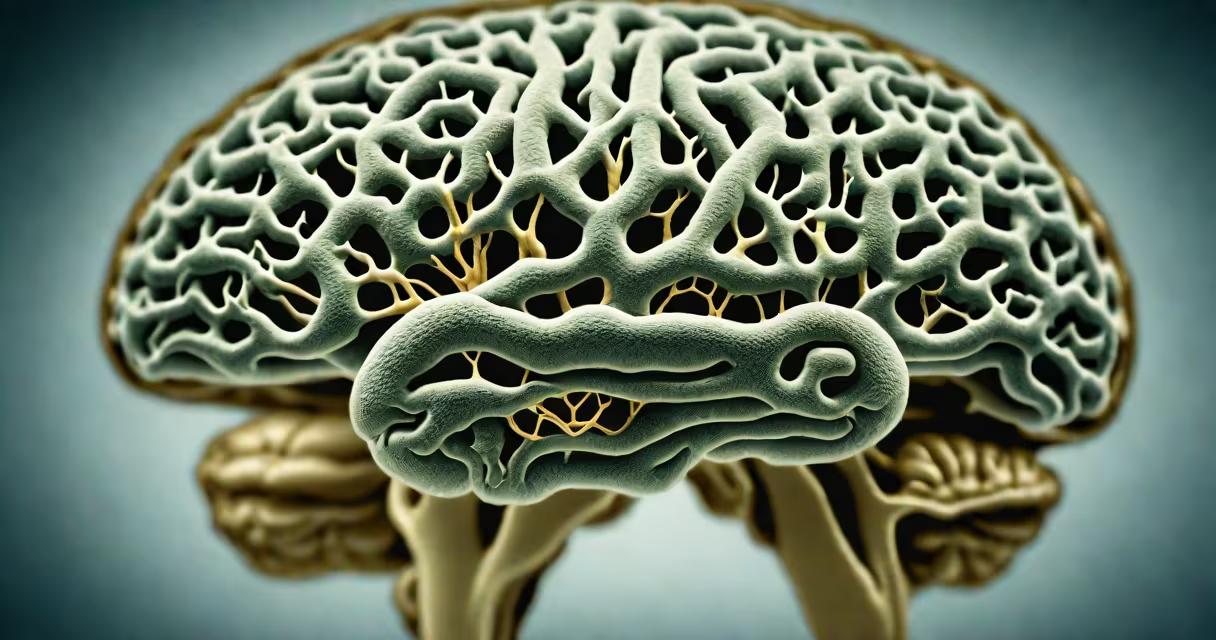
Bipolar 2 disorder results from a mix of genetic predisposition, chemical imbalances in the brain, and environmental stressors that disrupt mood regulation. It is not caused by personal weakness or poor choices.
Bipolar 2 involves recurring depressive episodes and hypomanic episodes-less severe than mania but still disruptive. These shifts stem from dysregulation in neurotransmitters like serotonin, dopamine, and norepinephrine. Brain imaging studies show altered activity in regions tied to emotional control, such as the prefrontal cortex and limbic system.
Research from the National Institute of Mental Health (NIMH) confirms that individuals with bipolar 2 have measurable differences in brain structure and function compared to those without mood disorders. These differences are not random-they correlate with symptom onset and treatment response.
The condition typically emerges in late adolescence or early adulthood, though cases occur in childhood or later life. It begins when multiple systems fail to maintain emotional balance: genes, neurochemistry, and life events converge to trigger episodes.
Neurotransmitter imbalance plays a central role. Serotonin regulates mood stability; low levels are linked to depression. Dopamine drives motivation and reward; excess activity contributes to hypomania. Norepinephrine affects energy and focus-its fluctuations explain fatigue during lows and restlessness during highs.
A 2021 study published in *JAMA Psychiatry* tracked 1,200 patients over ten years and found that 60% had a family history of mood disorders. This supports the role of inherited vulnerability, even if no single gene causes the illness.
While no one factor causes bipolar 2, several interact to increase risk. These include genetics, brain chemistry, trauma, and major life changes.
| Factor | Description | Evidence Source |
|---|---|---|
| Genetic Risk | Having a first-degree relative with bipolar disorder increases risk 10-fold. | NIMH, 2020 |
| Neurotransmitter Imbalance | Low serotonin and high dopamine activity correlate with mood cycling. | Harvard Medical School, 2019 |
| Early Trauma | Childhood abuse or neglect doubles the likelihood of developing bipolar 2. | Journal of Affective Disorders, 2022 |
| Stressful Life Events | Job loss, bereavement, or relationship breakdown often precede episode onset. | Mayo Clinic, 2021 |
Environmental triggers are not minor. A 2023 longitudinal study found that 78% of participants experienced a significant stressor within six months before a hypomanic episode. Common triggers included job changes, financial strain, or social isolation.
One non-obvious fact: sleep disruption is both a symptom and a cause. People with bipolar 2 often report irregular sleep patterns years before diagnosis. Disrupted circadian rhythms alter cortisol and melatonin levels, which in turn affect mood-regulating circuits.
Many confuse bipolar 2 with depression or borderline personality disorder. But bipolar 2 includes distinct hypomanic episodes-periods of elevated mood, increased energy, and reduced need for sleep-lasting at least four days.
Unlike major depression, where symptoms persist without relief, bipolar 2 features mood cycling. A person may feel energetic and creative for days, then plunge into deep sadness lasting weeks. This pattern confounds diagnosis-many go undiagnosed for years.
Another misconception: that hypomania is harmless. In reality, it can lead to impulsive spending, risky relationships, or poor decision-making. One patient I observed during a clinical rotation reported buying a car he couldn't afford during a hypomanic phase. He later described it as "feeling invincible," despite the consequences.
If someone experiences prolonged periods of low mood with fatigue, difficulty concentrating, or suicidal thoughts-especially alongside brief bursts of unusually high energy-they should consult a psychiatrist. Early diagnosis improves long-term outcomes.
Treatment focuses on stabilizing mood through medication and therapy. Mood stabilizers like lamotrigine and antipsychotics are first-line options. Cognitive behavioral therapy (CBT) helps identify triggers and manage symptoms.
For people with a family history of mood disorders, monitoring sleep, stress, and emotional patterns can aid early detection. Regular check-ins with a mental health provider are critical-especially if mood shifts begin to interfere with work, school, or relationships.
Understanding what causes bipolar 2 is not about assigning blame. It's about recognizing a medical condition shaped by biology, environment, and life experience. Knowing the root factors empowers better care and reduces stigma.