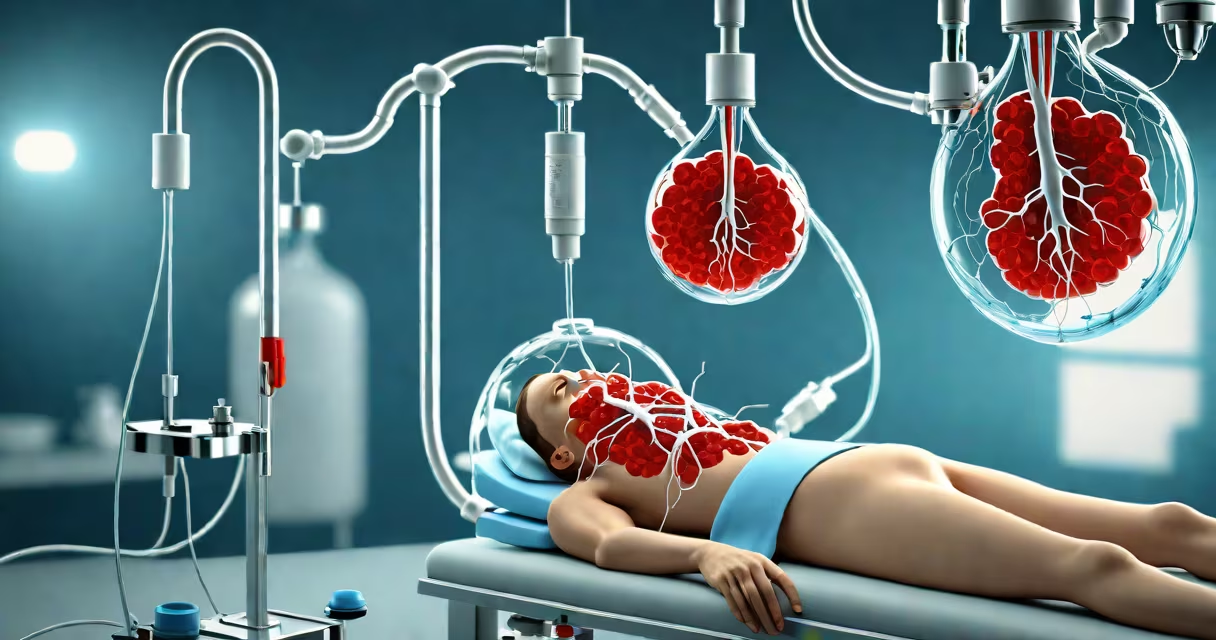
A stem cell transplant replaces damaged or cancerous blood-forming cells with healthy hematopoietic stem cells. It is used primarily to treat blood cancers, severe immune disorders, and certain genetic diseases. The process involves conditioning therapy, stem cell infusion, engraftment, and long-term recovery.
The procedure begins with high-dose chemotherapy or radiation to destroy the patient's existing bone marrow. This creates space for new stem cells to grow and reduces the risk of relapse in cancer cases. After conditioning, healthy stem cells are infused intravenously, similar to a blood transfusion. These cells travel to the bone marrow and begin producing new blood cells within 2-4 weeks.
Engraftment-the point when donor stem cells start making white blood cells, red blood cells, and platelets-is monitored daily through blood tests. Doctors track neutrophil counts; a count above 500 per microliter indicates successful engraftment. Most patients require hospitalization for 3-6 weeks during this phase due to infection and bleeding risks.
Recovery continues for months. Patients may experience fatigue, nausea, mouth sores, and hair loss during conditioning. Long-term complications include graft-versus-host disease (GVHD), organ damage, and secondary cancers. Survival rates vary by condition: 60-70% five-year survival for acute leukemia patients receiving matched sibling transplants, according to the National Marrow Donor Program.
Transplants are classified by donor source. Autologous transplants use the patient's own stem cells, collected before conditioning. They are common in multiple myeloma and lymphoma. Allogeneic transplants use donor cells, typically from a matched sibling or unrelated donor via registries like Be The Match. Syngeneic transplants involve identical twins and are rare.
| Type | Donor Source | Common Uses | Risk Level |
|---|---|---|---|
| Autologous | Patient's own cells | Multiple myeloma, Hodgkin's lymphoma | Low GVHD risk |
| Allogeneic | Matched sibling or unrelated donor | Leukemia, sickle cell anemia, severe combined immunodeficiency | High GVHD and rejection risk |
| Syngeneic | Identical twin | Rare; used in select genetic disorders | Very low GVHD risk |
Allogeneic transplants carry higher risks but offer a graft-versus-tumor effect-donor immune cells attack residual cancer cells. This benefit is absent in autologous transplants. A 2021 study in *Blood Advances* found that allogeneic transplants improved survival in younger acute myeloid leukemia patients compared to autologous approaches.
Stem cell transplants are performed in specialized transplant centers accredited by the Foundation for the Accreditation of Cellular Therapy (FACT). These facilities meet strict standards for donor matching, sterile processing, and post-transplant care. The procedure is reserved for conditions where standard therapies fail or are insufficient.
Primary indications include acute and chronic leukemias, non-Hodgkin lymphoma, multiple myeloma, aplastic anemia, and inherited metabolic or immune disorders. For example, a child with severe combined immunodeficiency (SCID) may receive a transplant to restore immune function. Without treatment, SCID leads to early death from infections.
Non-cancer uses are growing. Clinical trials explore transplants for autoimmune diseases like multiple sclerosis. Early results show reduced disease activity in 60% of treated patients, though long-term outcomes remain under study. The U.S. National Institutes of Health lists over 1,200 ongoing trials involving stem cell transplants for non-malignant conditions.
Stem cell transplants are often confused with stem cell therapies using mesenchymal or induced pluripotent stem cells. Those are experimental and not approved for clinical use outside research. What does stem cell transplant involve? Only hematopoietic stem cells from bone marrow, peripheral blood, or umbilical cord blood. The term "stem cell" in this context refers exclusively to blood-forming cells.
Another myth is that transplants cure all blood diseases. They do not. Relapse occurs in 30-50% of acute leukemia cases despite transplant. Factors like disease stage, donor match quality, and minimal residual disease status affect outcomes. A 2022 analysis in *The Lancet Haematology* showed that patients with detectable leukemia cells before transplant had a 70% relapse rate within two years.
I once observed a patient with refractory acute lymphoblastic leukemia who underwent an allogeneic transplant after failing two rounds of chemotherapy. His recovery was complicated by grade III GVHD affecting skin and gut. He required prolonged immunosuppression and nutritional support. Despite this, he achieved remission and remains in stable health four years later. His case highlights both the potential and the challenges of the procedure.
Patients sometimes mistake the infusion process for a surgical operation. It is not. The stem cells enter the body through a central IV line. The entire infusion takes 1-2 hours. There is no incision, anesthesia, or recovery time beyond monitoring for allergic reactions.
Understanding what does stem cell transplant involve requires knowing the biological basis, procedural steps, and realistic outcomes. It is not a cure-all, but a useful tool in hematology and oncology. Success depends on precise patient selection, donor matching, and coordinated care.