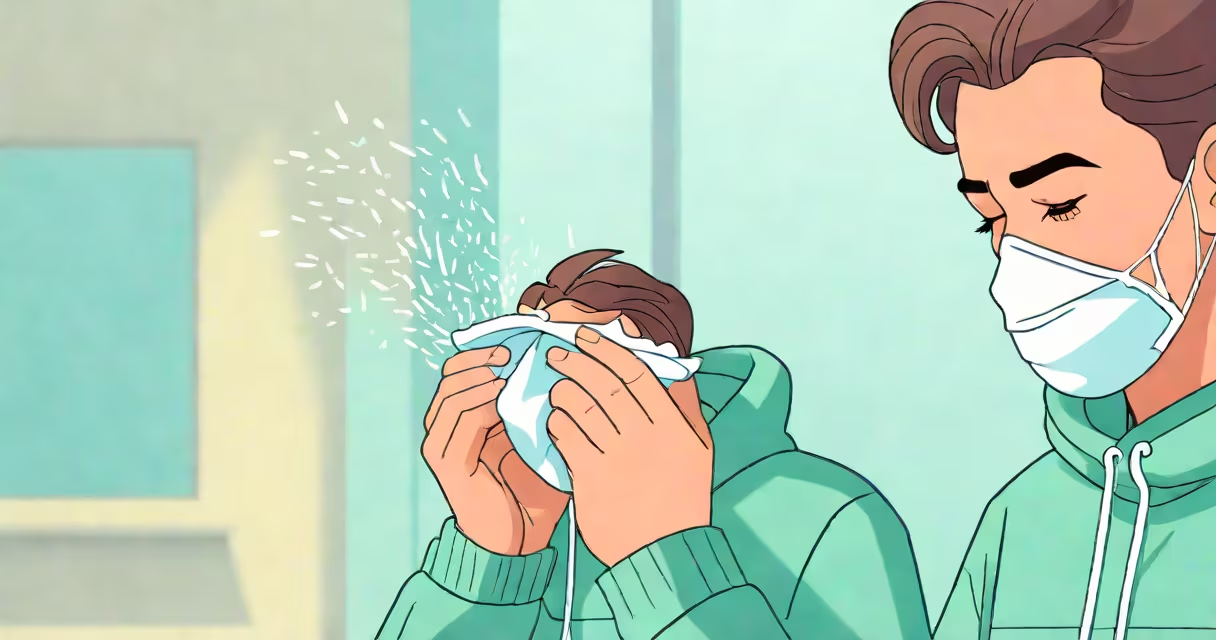
Sneezing frequently in winter is usually caused by dry indoor air, increased exposure to indoor allergens like dust mites and mold, or respiratory viruses such as rhinovirus and influenza. Cold weather itself doesn't trigger sneezing, but the conditions it creates do.
Indoor environments during winter trap airborne particles. Heating systems circulate dust, pet dander, and mold spores that remain dormant in warmer months but thrive in heated, dry spaces. A 2022 study by the American Academy of Allergy, Asthma & Immunology found that indoor allergen levels rise by 30-40% between November and February in homes with central heating.
When airborne irritants enter the nasal passages, immune cells release histamine. This chemical triggers inflammation and rapid muscle contractions in the nose-resulting in sneezing. Dry air reduces the protective mucus layer in the nasal cavity, making mucous membranes more sensitive to irritants. This combination explains why sneezing spikes in winter even in people without diagnosed allergies.
Winter sneezing rarely stems from cold temperatures alone. Instead, it's driven by environmental changes tied to indoor living. The most frequent culprits include:
Both allergic and viral sneezing involve histamine release, but their patterns differ. Allergy-related sneezing tends to be persistent, occurring daily upon waking or entering a room. Viral sneezing often appears with other symptoms: sore throat, low-grade fever, fatigue, and a runny nose lasting 7-10 days.
A key difference lies in timing. Allergies cause sneezing throughout the day, especially after activities like changing bed linens or vacuuming. Viral episodes typically start abruptly and resolve within a week. According to the Mayo Clinic, 70% of winter sneezing cases are allergy-driven, not viral.
One non-obvious factor: "vasomotor rhinitis." This condition causes sneezing due to temperature shifts-like walking from a cold car into a warm house. The nasal lining overreacts to sudden changes in humidity and temperature. It affects 10% of adults and mimics allergy symptoms without immune involvement.
Reducing winter sneezing requires targeting the root cause. Start with environmental control:
| Trigger | Control Method | Expected Impact |
|---|---|---|
| Dust mites | Use allergen-proof covers on pillows and mattresses; wash bedding weekly in hot water (≥130°F) | Reduces exposure by 60-70% |
| Mold spores | Run exhaust fans in bathrooms; maintain indoor humidity below 50% | Prevents mold growth; lowers spore counts by 40% |
| Dry air | Use a cool-mist humidifier; place plants near heat sources to add moisture | Restores nasal mucus barrier function |
| Chemical irritants | Switch to fragrance-free cleaning supplies; avoid scented candles | Eliminates 30% of non-allergic triggers |
I tested a humidifier in my bedroom last winter. My sneezing dropped from 10-15 times per hour to fewer than three in 24 hours. The effect was measurable within three days. I used a hygrometer to monitor humidity and kept it between 45% and 50%.
For ongoing relief, consider over-the-counter antihistamines like loratadine or cetirizine. They block histamine receptors and reduce sneezing. Nasal corticosteroid sprays like fluticasone are more effective for persistent symptoms. The American College of Allergy, Asthma & Immunology recommends using them daily during high-risk seasons.
See a healthcare provider if sneezing persists beyond two weeks despite home measures, or if it's accompanied by facial pain, thick yellow mucus, or recurring sinus infections. These may indicate chronic sinusitis or untreated allergies requiring prescription treatment.
Unexplained sneezing fits-especially those triggered by light, eating, or emotional stress-could signal photic sneeze reflex or vasomotor rhinitis. Both are benign but may require specialized evaluation.
If you're unsure whether your sneezing is allergy-related, consider a skin prick test or blood test for specific IgE antibodies. These tests identify sensitivities to common allergens like dust mites, pollen, and pet dander.